
Introduction to Antique and Vintage Lock Repair
The Dublin, Ohio area, particularly around 5300 Avery Rd, features numerous historic properties and homes where preservation-minded owners seek authentic restoration rather than replacement. When an old lock stops functioning properly, the knee-jerk reaction might be to replace it with modern hardware. However, this approach destroys historical authenticity and often decreases property value for heritage homes. Our lock repair philosophy centers on preservation-first approaches, utilizing period-appropriate techniques and materials whenever possible.
Vintage lock mechanisms operate differently from contemporary locks, often featuring materials and metallurgy not commonly found in modern manufacturing. Cast iron, brass, bronze, and specialized steel alloys were crafted using techniques that produced distinctive characteristics. Understanding how these materials age, corrode, and respond to various environmental conditions is essential for proper restoration. Our technicians study historical locksmithing methods to ensure repairs maintain authenticity while restoring full functionality.
Our Specialized Lock Repair Process
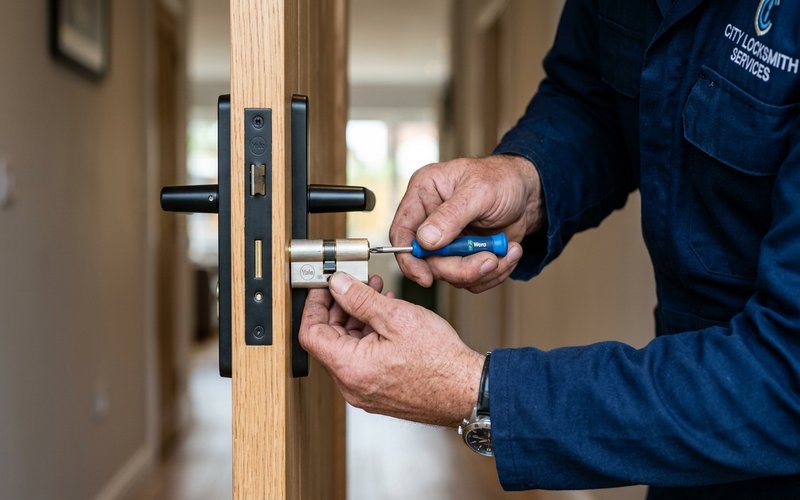
Our comprehensive approach to antique lock restoration follows a methodical process designed to preserve historical integrity while ensuring reliable operation. Every lock tells a story, and our repair methodology respects that narrative while bringing these mechanisms back to life.
Initial Assessment and Documentation
When you contact us at (614) 689-3946, we begin with a thorough consultation to understand your lock's history, current condition, and your restoration goals. For vintage lock repair, we document the existing state through detailed photography and written notes, capturing the lock's current appearance, markings, manufacturer stamps, and any unique characteristics. This documentation proves invaluable for insurance purposes, historical records, and ensuring our restoration maintains authenticity.
During the on-site evaluation at your Dublin location, our technicians examine the lock's mounting, surrounding door or furniture condition, and operational issues. We identify whether problems stem from the lock mechanism itself, key wear, installation issues, or environmental damage. This assessment determines the appropriate restoration approach and helps establish realistic expectations for the repair outcome.
Careful Disassembly and Cleaning
Once we've completed our assessment, we carefully disassemble the heritage lock using period-appropriate techniques that avoid damaging original components. Modern power tools and aggressive methods can irreparably harm antique mechanisms, so we employ hand tools and gentle processes that respect the lock's age and construction methods.
The cleaning phase removes decades or centuries of accumulated grime, oxidation, and old lubricants that have hardened over time. We use specialized cleaning solutions that won't damage antique metals or finishes. For particularly valuable or historically significant locks, we employ conservation-grade products that museum professionals trust for artifact preservation. This meticulous cleaning reveals the true condition of each component and identifies parts requiring repair or replacement.
Component Analysis and Repair
With the lock disassembled and cleaned, we conduct a detailed examination of every spring, lever, pin, tumbler, and plate. Antique lock mechanisms often contain hand-fitted parts that aren't interchangeable with modern components. Broken or worn pieces frequently require custom fabrication using traditional metalworking techniques.
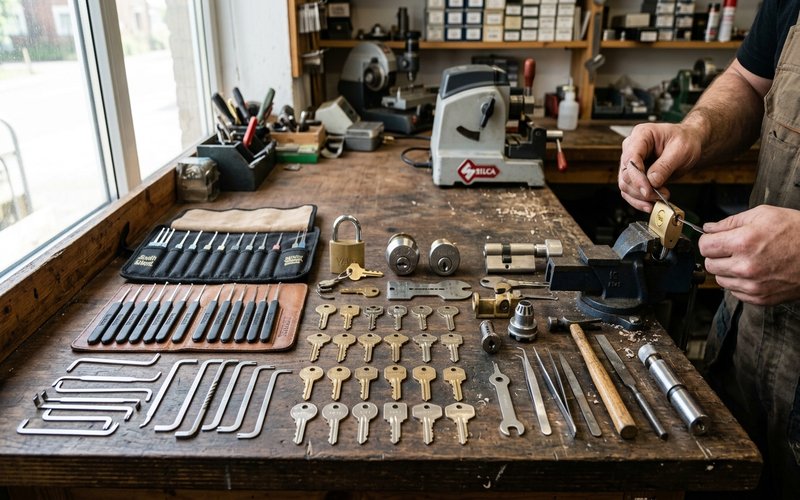
Our workshop contains period-appropriate tools and equipment for crafting replacement parts that match original specifications. We maintain stocks of appropriate metals and can hand-file, forge, or machine components to exact tolerances. For springs, we use spring steel with characteristics matching the original manufacturer's specifications, ensuring proper tension and longevity.
When original parts remain salvageable, we employ restoration techniques rather than replacement. Bent components are carefully straightened, worn surfaces are built up through metal deposition or brazing, and damaged threads are re-cut to restore proper function. This preservation-focused approach maintains as much original material as possible.
Reassembly and Adjustment
Reassembling a vintage lock requires patience and precision. Components must align perfectly for smooth operation, and we make minute adjustments to account for wear patterns and tolerances that have changed over decades of use. We apply appropriate period-correct lubricants—not modern synthetic oils that can damage antique materials, but traditional lubricants like graphite powder or refined oils that complement historical mechanisms.
The adjustment phase involves testing each internal function, ensuring springs provide proper tension, levers engage correctly, and the mechanism cycles smoothly through its full range of motion. We verify that original or reproduction keys operate the lock effortlessly while maintaining security.
Final Testing and Protective Treatment
Before reinstallation, we subject the restored lock to rigorous testing, cycling it hundreds of times to ensure reliability. We examine all surfaces for proper finish and protection against future corrosion. When appropriate, we apply conservation-grade protective coatings that preserve metal surfaces without altering the lock's authentic appearance.
Finally, we reinstall the lock, ensuring proper alignment with strike plates, door frames, or furniture mounting points. We provide detailed care instructions and, when needed, supply reproduction keys cut to original specifications.
Types of Antique and Vintage Lock Repair Services We Offer
Historic Home Lock Restoration
Dublin's historic neighborhoods contain beautiful older homes with original hardware that deserves preservation. We restore antique locks found in Victorian mansions, Colonial Revival homes, Craftsman bungalows, and mid-century properties. This includes mortise locks, rim locks, surface-mounted locks, and specialty hardware that defined different architectural periods.
Skeleton Key Lock Repair
Skeleton key systems represent some of the most iconic old lock designs. We repair and restore these warded lock mechanisms, ensuring smooth key operation while maintaining the romantic appeal of these historic systems. Our services include key reproduction from originals, broken key extraction from delicate antique mechanisms, and warded pattern restoration.
Antique Safe and Vault Lock Service
Vintage safes and vaults often feature complex lock mechanisms that require specialized expertise. We service combination locks from manufacturers like Diebold, Mosler, and Yale, restoring dial mechanisms, tumblers, and wheel packs. For key-operated vault locks, we repair bolt works, fence mechanisms, and change key systems while preserving original security features.
Furniture Lock Restoration
Antique furniture—including desks, cabinets, chests, and secretary desks—often features delicate locks requiring gentle restoration techniques. These vintage locks typically use smaller mechanisms with finer tolerances than door locks. We repair drawer locks, fall-front locks, tambour locks, and specialized furniture security devices without damaging surrounding woodwork or veneers.
Commercial Heritage Building Lock Service
Historic commercial buildings in the Dublin area sometimes retain original lock hardware worth preserving. We restore storefront locks, office door mechanisms, mail chute locks, and specialized commercial security devices from bygone eras. Our work helps building owners maintain historical designation status while ensuring modern security requirements are met.
Clock and Clockwork Lock Repair
Some antique locks incorporate time-delay mechanisms or clockwork components. These sophisticated devices require understanding of both locksmithing and horology. We service these complex mechanisms, replacing worn gears, mainsprings, and escapements while maintaining the lock's operational characteristics.
Museum and Collection Lock Conservation
For museums, historical societies, and private collectors, we provide conservation-grade lock restoration that meets curatorial standards. This work involves extensive documentation, reversible repair techniques, and materials that won't compromise artifact integrity. We collaborate with conservators to ensure our work supports broader preservation goals.
Key Reproduction and Restoration
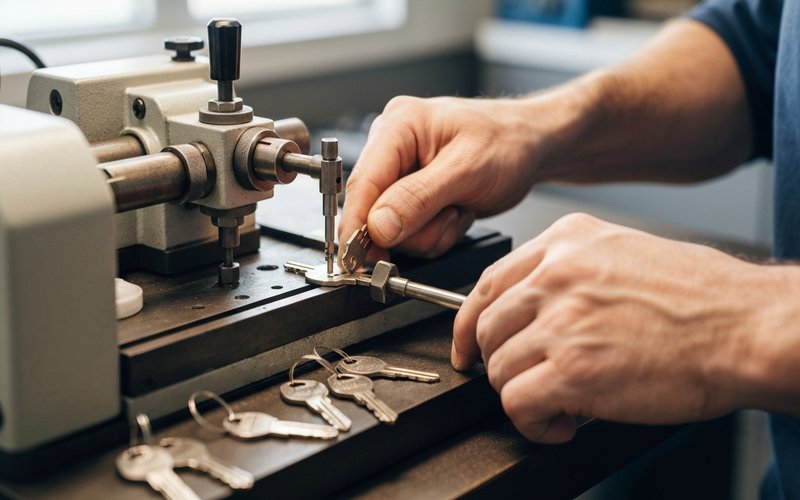
Original antique lock keys are often lost, broken, or worn beyond reliable use. We create accurate reproductions using traditional key cutting methods and appropriate materials. For ornate decorative keys, we can replicate elaborate bow designs through casting or hand-fabrication. We also restore damaged original keys through welding, reshaping, and refinishing.
Why Choose Hayden Run Columbus Locksmith for Antique Lock Repair
Specialized Historical Knowledge
Unlike general locksmiths who focus exclusively on modern security systems, our team has invested significant time studying historical lock mechanisms, manufacturing techniques, and period-appropriate restoration methods. We understand how heritage locks were originally made, how they've aged, and how to restore them properly. This specialized knowledge prevents the common mistakes that can permanently damage irreplaceable antique hardware.
Our technicians regularly consult historical references, patent drawings, and manufacturer literature from the 1700s through mid-1900s. This research ensures our repairs remain faithful to original design intent. We've built relationships with lock collectors, museum professionals, and preservation specialists who provide insights into rare or unusual mechanisms.
Preservation-First Philosophy
We believe in saving original components whenever possible. While some locksmiths immediately suggest replacement when facing repair challenges, we explore every conservation option first. This philosophy respects the historical value of antique locks and recognizes that original materials and craftsmanship cannot be truly replicated, only approximated.
Our approach balances preservation with functionality. We're honest about what's achievable—some locks are too damaged for restoration—but we always explore conservation possibilities before recommending replacement. For historically significant pieces, we discuss options ranging from operational restoration to stabilized preservation that maintains appearance while protecting against further deterioration.
Traditional Craftsmanship Skills
Restoring vintage locks requires hand skills that many modern locksmiths never develop. Our technicians practice traditional metalworking techniques including hand-filing, precision fitting, spring tempering, and hand-cutting. We maintain workshop equipment ranging from antique tools to specialized machinery that can replicate historical manufacturing processes.
This craftsmanship extends to finishing work. We can replicate various antique metal finishes including oxidized brass, oil-rubbed bronze, japanned surfaces, and nickel plating. These finishing techniques help restored locks blend seamlessly with original surrounding hardware.
Convenient Dublin Location
Our proximity to 5300 Avery Rd, Dublin, OH 43016 means we can quickly respond to your old lock repair needs. We understand the local architectural heritage and have worked on numerous Dublin-area historic properties. This local knowledge helps us appreciate your lock within its proper historical and architectural context.
Being nearby also facilitates multiple service visits when complex restorations require progressive work or when you want to review restoration progress before we proceed to subsequent phases. We can easily return for adjustments if minor operational issues emerge after installation.
Comprehensive Documentation
We provide detailed documentation of all restoration work, including before-and-after photographs, descriptions of repairs performed, materials used, and care recommendations. This documentation adds value for insurance purposes, historic preservation grants, and future reference. If you ever sell your property or piece, this documentation demonstrates professional conservation work that preserves value.
Honest Assessment and Realistic Expectations
We never promise what we can't deliver. Some antique locks have deteriorated beyond functional restoration, and we'll tell you honestly when that's the case. We discuss realistic outcomes, timeline considerations, and whether restoration makes sense given your goals and the lock's condition. This transparency helps you make informed decisions about proceeding with repair versus alternative approaches.
Insurance and Liability Protection
When working with valuable antique hardware, proper insurance coverage matters. We maintain comprehensive liability insurance and bonding that protects your property during service. This protection provides peace of mind when entrusting us with family heirlooms or historically significant locks.
Common Situations Requiring Antique Lock Repair
Historic Home Renovation and Restoration
Homeowners renovating historic properties in Dublin often discover original locks that haven't operated properly in decades. Previous owners may have left them in place decoratively while using modern locks for actual security. During restoration, these homeowners want to return heritage locks to full function, both for authenticity and to experience how the home originally operated.
Renovation projects sometimes reveal locks that were painted over, damaged during previous remodeling, or subjected to amateur repair attempts. We frequently restore locks after contractors have carefully removed multiple layers of paint, revealing hardware that needs mechanical rehabilitation to complement its renewed appearance.
Estate Property Management
When inheriting historic properties, new owners often find themselves with antique locks they don't understand. Keys may be missing, mechanisms frozen from disuse, or internal components broken. These situations require professional assessment to determine which locks can be restored and how to integrate them into a functional security plan.
Estate sales and property transfers also create situations where numerous locks need rekeying or key reproduction. When dealing with antique mechanisms, this requires specialized expertise beyond standard rekeying procedures.
Museum and Collection Expansion
Museums acquiring antique furnishings, doors, or architectural elements often need locks restored to demonstrate how pieces originally functioned. Operational locks enhance visitor understanding and allow curators to demonstrate historical security methods. We work with institutions to restore vintage locks to exhibit-ready condition.
Private collectors similarly require restoration services when acquiring pieces with non-functional locks. Whether collecting antique safes, furniture, or architectural hardware, collectors value working mechanisms that showcase the ingenuity of historical locksmiths.
Commercial Historic Building Compliance
Historic commercial buildings face unique challenges balancing preservation requirements with modern building codes. Property managers need old locks restored while ensuring fire codes, accessibility requirements, and security standards are met. We help navigate these challenges, sometimes integrating period hardware with concealed modern security components.
Buildings with historic designation often cannot replace original hardware without approval from preservation boards. Professional restoration becomes the only viable path to maintaining functional locks while preserving historic character.
Antique Furniture Restoration Projects
Furniture restorers and antique dealers regularly encounter pieces with damaged or non-functional locks. A beautiful antique desk loses value and utility when its locks don't work. We partner with furniture restoration professionals to ensure lock restoration complements their woodworking expertise. Proper lock function also enables furniture to be used rather than simply displayed.
Lock Failures from Environmental Damage
Antique locks exposed to moisture, temperature fluctuations, or corrosive environments deteriorate in specific ways. Homes with humidity issues, roofs leaks, or basement flooding damage antique lock mechanisms through rust and corrosion. We restore locks after environmental damage, often recommending environmental controls to prevent recurrence.
Sometimes locks fail because buildings have settled or shifted over time, causing door frames to become misaligned. This creates binding and wear that damages lock components. We address both the lock mechanism and alignment issues to ensure long-term reliability.
Security Upgrades Requiring Heritage Hardware Integration
Property owners sometimes want modern security while preserving historic appearance. We create solutions where vintage locks are restored and integrated with concealed modern security components, providing both authentic aesthetics and contemporary protection. This might involve restoring visible historic hardware while adding modern deadbolts in inconspicuous locations.
Pre-Purchase Property Inspections
Buyers considering historic properties often request lock assessments during inspections. Understanding which original locks are salvageable helps estimate restoration costs and plan security strategies. We provide evaluation services that inform purchase decisions and restoration budgets.
Damage from Forced Entry Attempts
Unfortunately, old locks sometimes suffer damage from break-in attempts. While antique locks may not provide modern security levels, when damaged they deserve proper restoration rather than replacement with anachronistic hardware. We repair forced entry damage, often recommending supplemental security that preserves historic appearance.
Service Areas Throughout Dublin and Surrounding Communities
Hayden Run Columbus Locksmith proudly serves properties throughout Dublin, Ohio and surrounding communities from our convenient location near 5300 Avery Rd, Dublin, OH 43016. Our service area encompasses all Dublin neighborhoods, including historic districts with concentrations of older homes where antique lock needs are particularly common.
We regularly serve customers throughout Franklin County and neighboring areas, including Worthington, Powell, Upper Arlington, Hilliard, and Columbus proper. Our mobile service capability means we bring our expertise directly to your property, whether you're located in a historic downtown building, suburban estate, or rural farmhouse with heritage locks requiring attention.
The Dublin area's rich architectural heritage includes properties from various periods, each with characteristic lock hardware. From early 19th-century farmhouses to grand Victorian homes, Craftsman-era residences, and mid-century properties, we've worked with the full spectrum of historical lock styles found in central Ohio. This local experience means we understand the specific vintage lock types common to our region.
Our service area extends to commercial properties, churches, municipal buildings, and institutional facilities throughout the greater Columbus metropolitan area. Historic commercial districts, preserved schoolhouses, heritage churches, and landmark buildings all contain antique locks deserving expert care, and we're equipped to serve these specialized needs.
For collectors and dealers, we also provide shop services where you can bring portable items like antique furniture, safes, or individual locks to our facility for restoration. This option works well for items already removed from their original locations or for detailed restoration work requiring specialized equipment.
Understanding Antique Lock Mechanisms and Historical Context
Evolution of Lock Technology
Understanding heritage locks requires appreciating how security technology evolved. Early American locks relied on simple warded mechanisms dating to medieval times. These locks featured internal obstacles (wards) that prevented unauthorized keys from turning. While not highly secure by modern standards, warded locks provided basic security and remain charming examples of period craftsmanship.
The 19th century brought significant innovation, including lever tumbler locks that offered improved security. These mechanisms required keys to lift a series of levers to specific heights before the bolt could move. High-quality lever locks from makers like Yale and Sargent provided excellent security for their era and remain functional when properly maintained.
Pin tumbler locks, patented by Linus Yale Jr. in the 1860s, revolutionized lock security and remain the foundation for modern locks. Early pin tumbler designs are now considered antique locks, featuring brass and steel construction, ornate casings, and mechanical elegance.
Materials and Manufacturing Techniques
Historical locks were crafted using materials and techniques quite different from modern manufacturing. Cast iron provided robust casings and bolt works, while brass offered corrosion resistance for internal components. Springs were hand-forged from spring steel and carefully tempered to provide precise tension.
Many vintage lock components were hand-fitted rather than manufactured to standardized tolerances. This means repair work often requires custom fitting rather than simply ordering replacement parts. Understanding historical manufacturing methods helps us replicate these processes when fabricating repair components.
Finishes ranged from simple oxidized surfaces to elaborate plating, japanning (a lacquer finish), and decorative engraving. These finishes protected metal and provided aesthetic appeal but require specialized knowledge to replicate during restoration.
Identifying Lock Age and Origin
Determining an old lock's age and manufacturer helps inform appropriate restoration approaches. We examine maker's marks, patent dates, construction methods, and design characteristics to identify locks. This research reveals how the lock was originally intended to function and what materials and techniques the manufacturer employed.
Some antique locks have significant historical value beyond functionality. Locks from famous makers, rare patents, or unusual designs interest collectors and add property value. We help identify these special pieces and recommend conservation approaches appropriate to their significance.
Maintaining Your Restored Antique Lock
Once we've restored your antique lock to proper working condition, appropriate maintenance ensures continued reliable operation for years to come.
Regular Operation
Antique mechanisms benefit from regular use. Operating your lock weekly prevents internal components from seizing and keeps lubricants distributed. If a lock will remain unused for extended periods, we can apply specialized preservative treatments that protect against corrosion while the mechanism sits idle.
Appropriate Lubrication
Modern synthetic lubricants aren't always appropriate for vintage locks. Some antique materials react poorly to petroleum-based products. We provide specific lubrication recommendations based on your lock's materials and design. Generally, dry lubricants like graphite powder work well for internal mechanisms, while refined oils suit certain external components.
Avoid over-lubrication, which attracts dust and grime that can damage delicate components. A small amount of appropriate lubricant applied annually typically suffices for well-restored locks.
Environmental Protection
Moisture is the greatest enemy of antique metal mechanisms. Maintain appropriate humidity levels (40-50% relative humidity is ideal) and address any water infiltration issues promptly. For locks in exterior doors or exposed locations, we can recommend additional protective measures.
Temperature fluctuations cause expansion and contraction that can affect lock operation. While you cannot eliminate seasonal changes, being aware of how weather affects your heritage lock helps you identify normal seasonal variations versus problems requiring attention.
Gentle Use Practices
Antique locks weren't designed for modern force levels. Turn keys gently and avoid yanking or forcing operation. If a lock becomes difficult to operate, contact us for evaluation rather than forcing it, which can break delicate internal components.
Original keys are irreplaceable, so handle them carefully. We recommend having reproduction keys made for daily use while preserving originals safely.
Professional Inspection
We recommend periodic professional inspection of valuable antique locks, especially in heavily used applications. Annual or biennial check-ups allow us to identify emerging wear issues before they cause failures, providing preventive maintenance that extends lock life.
Preservation Versus Replacement: Making the Right Decision
When facing a non-functional old lock, property owners must decide between restoration and replacement. This decision involves multiple considerations.
Historical Significance
For properties with historic designation or those pursuing heritage recognition, preserving original hardware may be required. Even without formal designation, original locks contribute to authentic period character and property value. Homes with intact original hardware are increasingly rare and valued by preservation-minded buyers.
Functional Requirements
Honest assessment of security needs is important. While restored antique locks can function reliably, they typically don't provide modern security levels. We help clients balance security requirements with preservation goals, often recommending supplemental security measures that allow historic locks to be preserved while adding modern protection unobtrusively.
Condition and Restorability
Some locks are too damaged, incomplete, or corroded for functional restoration. We provide honest assessments of restorability and discuss options ranging from full operational restoration to stabilized preservation as decorative features. Sometimes reproduction hardware offers the best solution when originals cannot be saved.
Investment Considerations
Restoring vintage locks involves investment in specialized labor and materials. We help clients understand what influences the quote, including mechanism complexity, parts availability, finish requirements, and the extent of damage. For historically significant properties or valuable antique furniture, proper restoration protects and enhances overall value.
Working With Historical Preservation Boards and Insurance Companies
Property owners dealing with historic buildings often navigate preservation board requirements and insurance considerations. We provide documentation and expertise that supports these processes.
Preservation Board Compliance
Historic preservation boards typically require maintaining or accurately restoring original hardware. We prepare documentation demonstrating our restoration approaches, materials used, and how work complies with preservation standards. Our experience with Secretary of Interior Standards for rehabilitation helps ensure our work meets official requirements.
Insurance Documentation
For insurance purposes, we provide detailed documentation of restoration work, including photographs, itemized descriptions, and valuation information. This documentation supports insurance claims when antique locks are damaged and helps establish replacement values for coverage purposes.
Grant Applications
Some preservation grants fund hardware restoration as part of larger rehabilitation projects. We assist with grant applications by providing technical information, cost estimates, and methodology descriptions that strengthen applications.
Antique Lock Security in Modern Context
While we specialize in preserving heritage locks, we're equally committed to our clients' security. Understanding how antique security fits within modern needs is important.
Realistic Security Assessment
Historical locks provided appropriate security for their era but don't match modern high-security standards. We provide honest assessments of what security levels restored antique locks can reasonably provide. For many residential situations, properly functioning vintage locks offer adequate security, especially when combined with modern alarm systems.